



If your day feels messy before lunch, you probably don’t need a stricter life to build a healthy lifestyle. You need a few small moves that make the next hour easier.
Most daily routine tips fall apart because they ask for too much at once. Real change through small changes and healthy habits is more like tightening a loose hinge, a tiny fix that stops the whole door from scraping.
The best habits are low effort, easy to remember, and forgiving on busy days. These seven tweaks are simple enough to start now, and strong enough to help the rest of your day run smoother. With consistency, they boost productivity and create lasting results.
Key Takeaways
- Drink a glass of water first thing to shake off dehydration and start your day with a clear, self-caring win.
- Move for just five minutes in the morning—stretch, squat, or walk—to warm up your body and build easy momentum.
- Pick your top three tasks early to cut through inbox chaos and keep your focus on what matters most.
- Step outside midday and reset one surface for quick energy boosts that reset your mind and space.
- Create a phone-free spot and note three good things before bed to protect rest and end the day on a positive note.
Small morning routine changes that make the rest of the day easier
Start where your energy is easiest to influence, the morning.
1. Drink a glass of water before anything else
After hours without water, it’s normal to wake up a little dry and dehydrated. That can feel like grogginess, a dull headache, or a strange urge to snack right away. So let your first win be a glass of water, before coffee, messages, or chores.
Make it easy on yourself. Put a glass on the counter at night, or keep a bottle where you start the morning. You don’t need a giant tumbler or fancy add-ins. One glass is enough to create a clear start. That simple act of hydration says you’re awake and prioritizing self-care before the day starts asking for things. Follow it with a healthy breakfast to keep your energy steady.

2. Move for five minutes, not thirty
Five minutes of physical activity can do more than people expect. It warms stiff muscles, wakes up your breathing, and breaks the heavy feeling that makes mornings drag. You don’t need a mat, a class, or matching clothes.
The trick is to drop the all-or-nothing mindset. Stretch while the shower heats up. Do ten squats in pajamas. Walk to the end of the street and back. Short exercise works because it’s easy to repeat. Think of it like opening the blinds in a dark room. You aren’t rebuilding the house, you’re letting some light in.
The best routine is the one you can still do on a rushed Wednesday.
These small morning routine wins build momentum for success throughout the day.
Simple workday fixes for better productivity and work-life balance
Once the day gets busy, your routine needs guardrails for productivity and work-life balance, not perfection.
3. Pick your top three tasks before your inbox takes over
Once work starts, attention gets pulled in every direction. That’s why picking your top three tasks early helps so much with task prioritization, goal setting, and decision making. It gives the day a center.
Write them in plain language, on paper if possible. “Book dentist,” “finish slide deck,” and “reply to Sam” are clear. “Get life together” is not. You can still handle smaller tasks later. But your top three give you something solid to return to after meetings, emails, and random interruptions, supporting time management that protects your focus. When everything feels urgent, this small filter keeps you on track.
4. Step outside once around midday
By midday, many people aren’t tired because they’ve worked too hard. They’re tired because they’ve stayed in one place too long. Screens, chairs, and stale indoor air can flatten the whole afternoon.
A short walk outside resets more than your legs, while supporting stress management and mental health. Natural light helps your body clock, and a change of scene can loosen mental knots. Even ten minutes around the block helps. If you can’t leave work, stand near a window or walk the hallway once. The goal isn’t exercise glory. It’s giving your brain a breath of fresh air before the second half of the day.

5. Do a two-minute reset of one surface
A messy surface can quietly drain energy. Every stray receipt, cup, or charger becomes one more thing your eyes have to process. That’s why a two-minute reset works so well.
Pick one spot only. Clear the desk before lunch. Wipe the counter after dinner. Put the pile by the door back where it belongs. Small resets keep clutter from turning into a weekend project, while boosting productivity. They also make the next task easier, because you aren’t starting in the middle of yesterday’s mess. You get a quick sense of closure too, and that helps your mind move on.
Evening Routine and Bedtime Habits That Help Tomorrow Start Better
Later, a few quiet choices can make tomorrow feel lighter.
6. Make one spot phone-free
Phones fill every pause unless you give them a boundary. The easiest fix isn’t deleting apps or trying to become a different person overnight. It’s choosing one place where the phone doesn’t go.
Make the dinner table phone-free. Keep it off the couch for the first half hour after work. Charge it outside the bedroom if sleep needs help. This supports key sleep hygiene practices that promote quality sleep and recovery for your body and mind. It’s not about rules for the sake of rules. It’s about making room for real rest, real conversation, or even plain boredom. Those quiet pockets matter because they let your mind settle instead of staying on high alert. Even ten phone-free minutes can start to feel like relief.
7. Write down three good things before bed
At night, your brain loves to replay awkward moments, missed tasks, and unfinished worries. That’s a rough way to end the day. This simple journaling practice of noting three good things acts as positive affirmations to shift the tone.
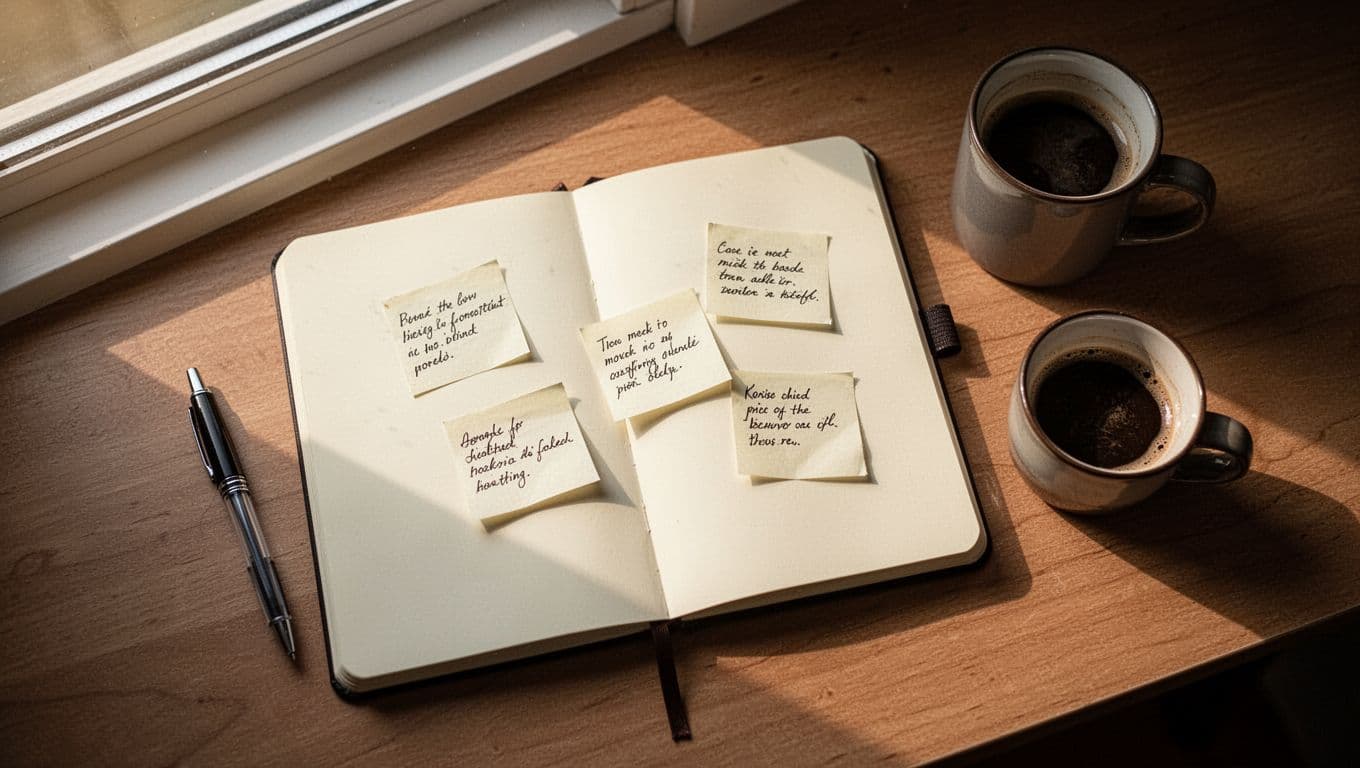
Keep it simple and honest. Maybe lunch tasted great, a friend checked in, or you finally folded the laundry. Tiny moments count. Night-before preparation, like setting out your journal and a glass of water on the nightstand, helps build consistency. This habit doesn’t pretend life is perfect. It simply stops your mind from acting like a smoke alarm that never turns off. Over time, you may notice more good moments during the day because you’re used to looking for them. For variety, try a short meditation session as another calming evening habit.

You don’t need a perfect planner, a 5 a.m. alarm, or a full life overhaul. Better routines usually grow from small repeats, not big promises.
Pick one of these daily routine tips and try it for a week. Embrace flexibility and self-care for long-term success. If it helps, keep it. If it doesn’t, swap it out. A good routine should support your life, not become one more thing you feel bad about.
Frequently Asked Questions
Do I need to do all seven tips right away?
No, these tweaks are designed for small starts. Pick just one that feels easiest, like the morning water or top three tasks, and try it for a week. Build from there as it sticks, keeping things low-pressure and forgiving.
What if I have a super busy day and skip one?
These habits are built to be flexible, not rigid. Missing a day won’t derail you—it’s about consistent small repeats over perfection. Just pick it back up the next morning without guilt.
Can these tips really improve productivity and sleep?
Yes, they target common drags like dehydration, clutter, and screen overload with simple fixes. Over time, the momentum from hydration, movement, and wind-downs leads to steadier energy, better focus, and easier rest.
How do I make these habits stick long-term?
Prep lightly, like placing a water glass or journal by your bed, to remove friction. Track what works for your life and swap if needed—the best routine supports you, not stresses you.


