


You crawl into bed, pull up the covers, and wait for sleep to arrive. But your brain is still pacing the hallway. The lights were bright an hour ago. Your phone was inches from your face. Dinner sat heavy. Sound familiar?
If you want to sleep better, the work often starts before your head hits the pillow. The good news is that it doesn’t take a perfect night routine or a shelf full of wellness gear. Current sleep guidance points to a few low-stress habits that matter most, dimmer light, less screen time, a steady bedtime, and a short wind-down routine. Start small, stay consistent, and tonight can feel calmer than last night.
Start your wind-down earlier so your body gets the message
Sleep doesn’t begin at bedtime. It begins in the hour before bed, sometimes even earlier. Your brain notices light, noise, stress, and stimulation, then decides whether it’s time to stay alert or power down.
Think of the evening as a runway, not a wall. If your day slams into bedtime at full speed, your body keeps moving. A slower landing helps. That’s why simple cues matter. When the house gets dimmer, the pace softens, and your mind has fewer inputs, your system gets one clear message, the day is ending.
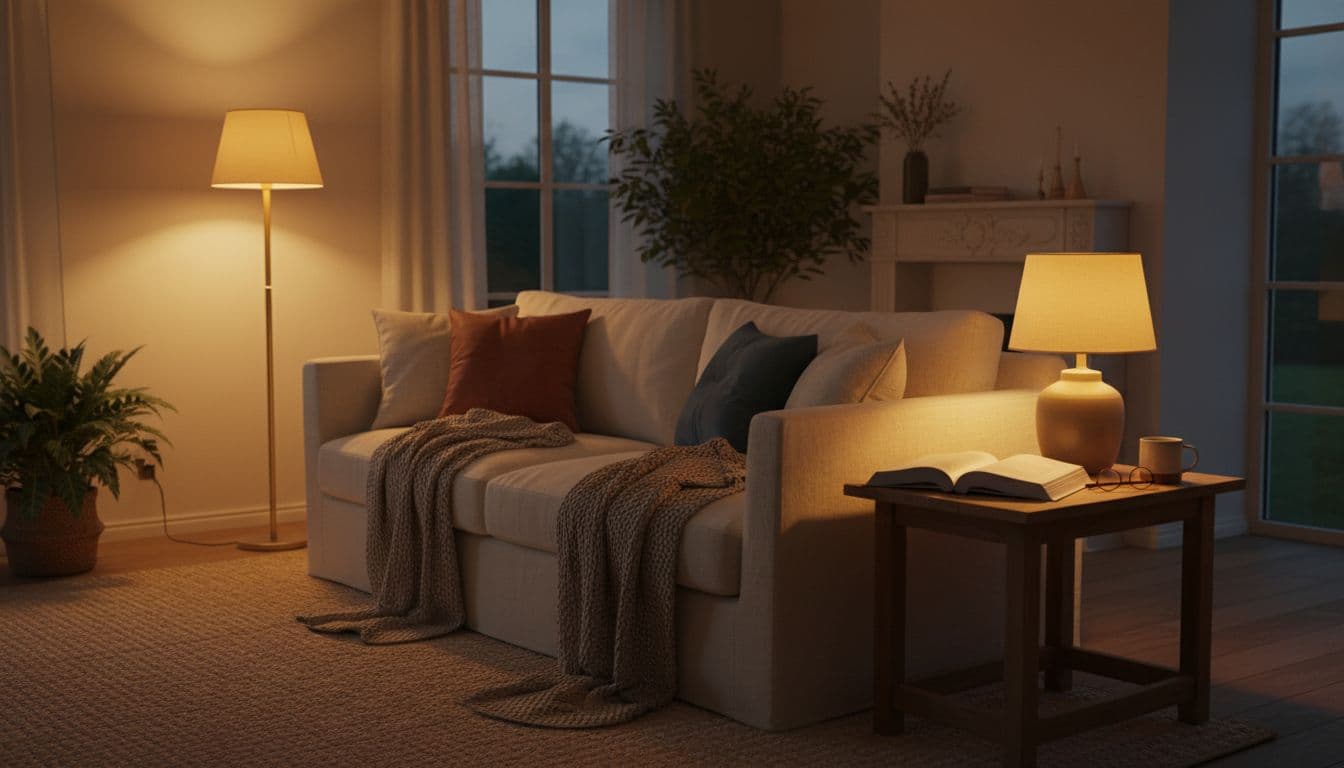
Dim the lights 60 to 90 minutes before bed
Bright light at night can push melatonin later, which makes sleepiness arrive later too. Softer, warmer light does the opposite. It tells your body that nighttime is here.
This doesn’t mean living by candlelight. It means making easy swaps. Turn off overhead lights. Use a lamp in the corner instead. If the kitchen light feels harsh, switch it off once you’re done. Let the room look more like sunset and less like noon.
If you need a device, lower the brightness. Night mode can help a little, but dimmer room light still matters. Many people notice that when their home gets softer in the evening, their body follows.
Turn off phones, TVs, and laptops at least 30 to 60 minutes before sleep
Screens can keep you awake in two ways. First, the light tells your brain to stay alert. Second, the content keeps your mind busy. Doomscrolling, work emails, and fast-moving shows all push the brain in the wrong direction.
A phone doesn’t just glow. It pokes. One headline leads to ten. One message becomes a thread. Suddenly, your nervous system is wide awake at the exact hour it should be slowing down.
Try a simple swap instead. Read a paper book. Listen to soft music. Fold laundry. Take a warm shower. If your phone is the problem, charge it in another room. That one move can break the habit loop fast.
If your brain feels “tired but wired,” evening light and screen time may be the missing piece.
Use a short calming routine that helps your mind slow down
A bedtime routine doesn’t need to be long, fancy, or perfect. In fact, the best one usually feels almost boring. That’s a good sign. Repetition teaches the brain what comes next.
Pick one or two actions you can repeat most nights. That’s enough. A short routine works because it lowers tension and builds a steady cue for sleep. Over time, your body starts to recognize the pattern.
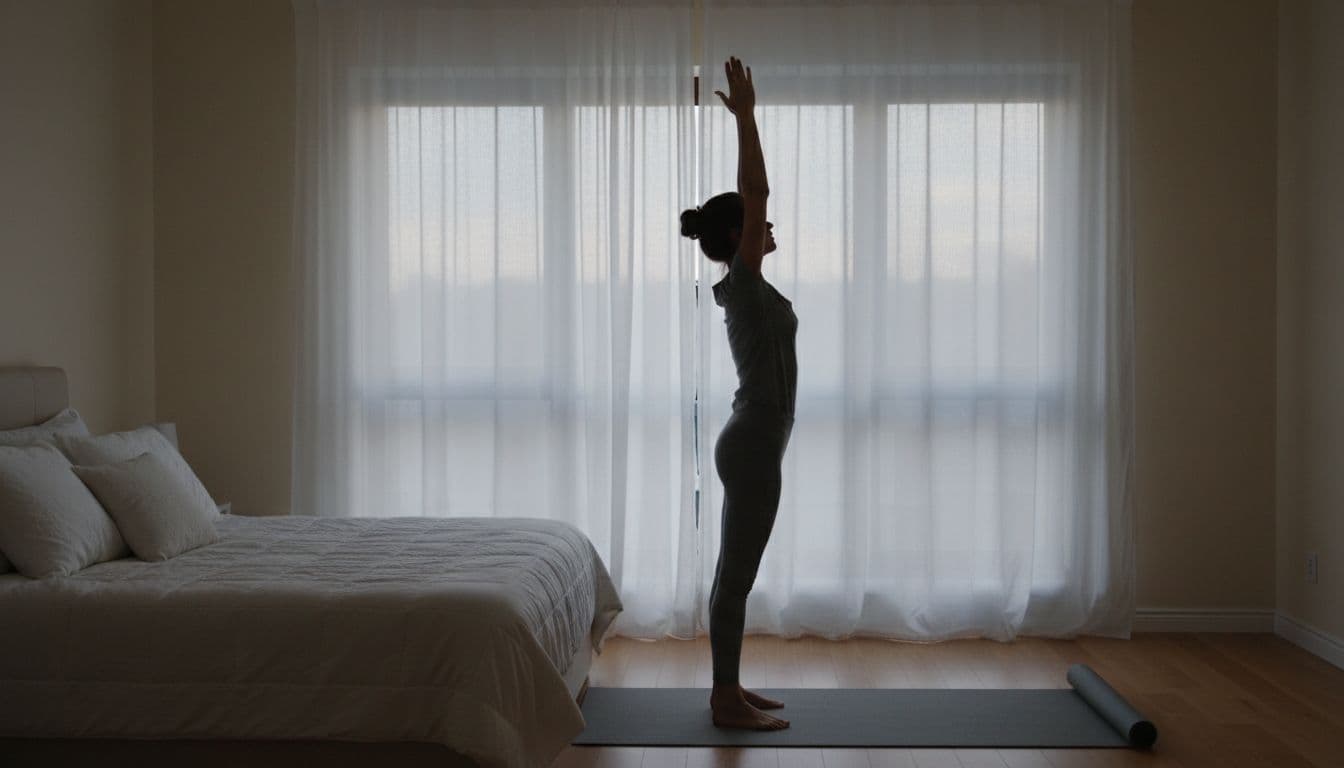
Take a warm shower, stretch gently, or do slow breathing
These habits work because they calm the body without asking much from you. A warm shower can feel like a soft reset after a long day. Gentle stretching can loosen tight shoulders, hips, and backs. Slow breathing can lower the sense of rush.
Keep it short. Five minutes is plenty. Try a few easy stretches by the bed. Or do box breathing, inhale for four, hold for four, exhale for four, hold for four. If that feels too structured, simply breathe out longer than you breathe in.
Hard exercise late at night can keep some people awake, especially if their heart rate stays high. If evening workouts make you feel buzzy, finish them earlier and keep late-night movement light.
Try journaling if your thoughts race at night
Some people don’t need more quiet. They need a place to put their thoughts. That’s where a quick journal helps. You don’t need deep reflection or a perfect notebook. You just need to clear the mental clutter.
Write tomorrow’s tasks on paper so you don’t rehearse them in bed. Jot down one worry. Add one thing you’re grateful for. Done. The goal isn’t to create another chore. The goal is to stop carrying loose thoughts into the dark.
If your brain likes to circle the same idea, a short brain dump can feel like setting down a heavy bag at the door.
Be careful with evening food, drinks, and late-night stimulation
Some sleep problems start in places people don’t expect, the coffee after lunch, the drink before bed, the giant late dinner, the snack that turns into a sugar spike. None of these habits make you a failure. They just affect sleep more than most people realize.
The fix isn’t strict rules. It’s better timing.
Finish caffeine, nicotine, and alcohol early enough to protect deep sleep
Caffeine can stay in the body for hours. If you drink it too late, you may still feel tired at bedtime but sleep less deeply. A practical rule is to stop caffeine about eight hours before bed, and earlier if you’re sensitive.
Nicotine is also stimulating. Even when it feels calming in the moment, it can make sleep harder and lighter. Alcohol often tricks people too. It can make you feel sleepy at first, but later it tends to break up sleep and reduce sleep quality.
So if sleep has been rough, look at the clock before you look at the mattress. Timing matters.
Eat dinner earlier and keep late snacks light
A heavy meal late at night asks your body to digest when it should be resting. Spicy foods can trigger discomfort. Sugary foods can make energy rise and fall at the wrong time. Very large meals can leave you feeling hot, full, or restless.
For many people, finishing a big dinner about two to three hours before bed helps. If you’re hungry later, keep the snack small and simple. Think toast, yogurt, a banana, or a handful of nuts. Light fuel is often enough.
Your body sleeps best when it isn’t still working overtime on dinner.
Make your bedroom feel like a place built for rest
Even a strong evening routine works better in a room that supports sleep. The bedroom should feel like a quiet signal, not a second office, not a movie theater, not a place for stress.
Small changes in the room can have a big effect because they shape what your senses notice all night.
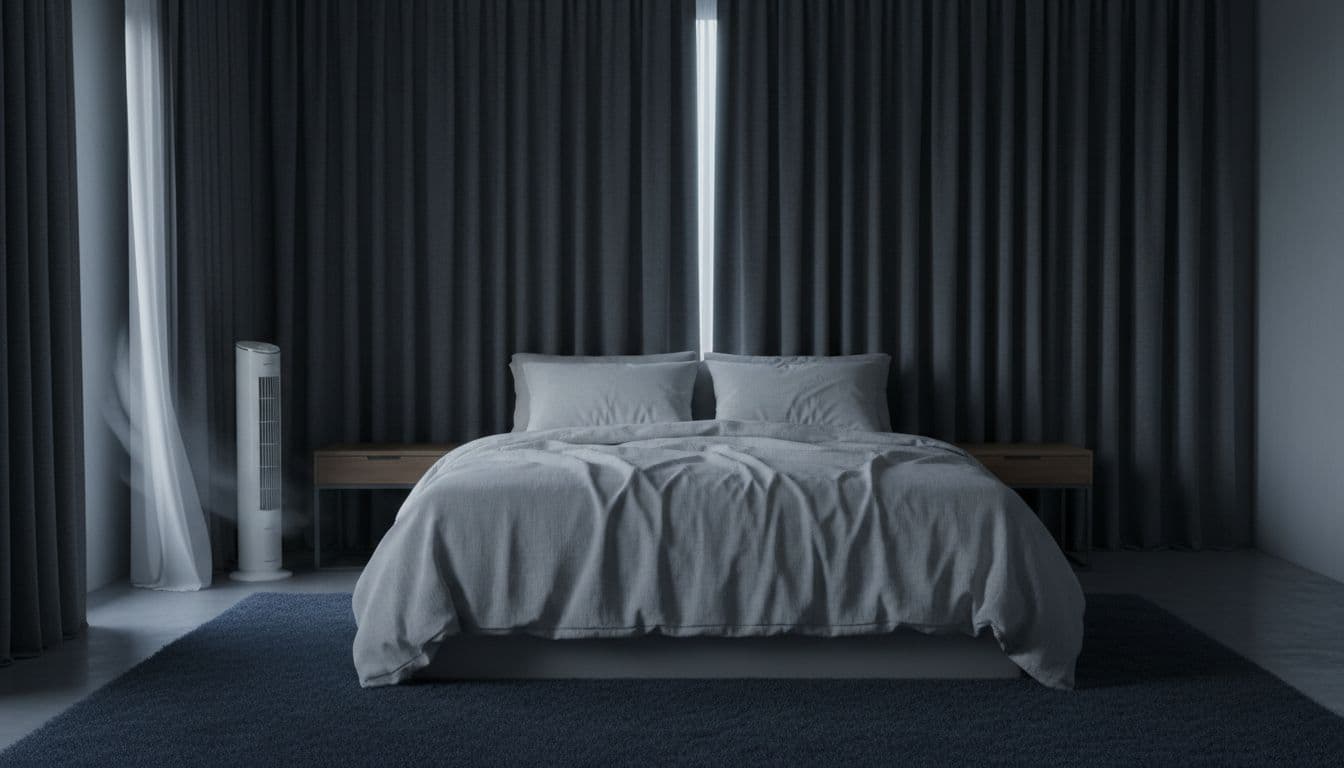
Keep the room cool, dark, and quiet
Most people sleep best in a cool room, often around 65 to 68 degrees Fahrenheit, though comfort varies. If the room feels stuffy, a fan can help with both temperature and sound. Breathable sheets matter too. So does a pillow that doesn’t fight your neck.
Darkness matters just as much. Blackout curtains can block streetlight. An eye mask can help if your room never gets fully dark. If noise is the issue, white noise, earplugs, or a fan can soften sudden sounds.
A sleep-friendly room doesn’t need to be fancy. It needs fewer interruptions.
Save the bed for sleep, not work or scrolling
Your brain builds links through habit. If you answer emails in bed, scroll social media there, or replay stressful thoughts there every night, the bed stops feeling like a rest cue. It starts to feel like a place for alertness.
That link can make falling asleep harder. So when possible, move work and entertainment out of bed. Sit in a chair to read. Watch TV in another room. Keep the bed mostly for sleep.
If clock-watching ramps up your stress, turn the clock away or remove it. Few things make insomnia louder than doing math at 2:17 a.m.
Keep your routine steady, even when life gets busy
Consistency is what turns random good choices into real sleep habits. One calm night helps. A repeatable pattern helps more.
That doesn’t mean every evening must look the same. Life changes. Schedules shift. Kids wake up. Travel happens. Still, a loose rhythm gives your body something to trust.
Go to bed and wake up at about the same time each day
A regular sleep schedule supports your body clock. When bedtime and wake time bounce all over the place, your system has a harder time predicting sleep.
Weekend sleep-ins can throw this off, especially if they stretch far past your usual wake time. If you need extra rest, try not to make the gap too large. A little flexibility is fine. A full reset every Saturday usually backfires.
The goal is steady, not strict. Aim for roughly the same window most days.
Start with one or two habits and track what helps
Trying to change everything at once often leads to doing nothing for long. A better plan is smaller. Pick one habit this week, maybe dimming lights earlier or charging your phone outside the bedroom. Then add another once it feels easy.
A quick morning note can help you spot patterns. Write down your bedtime, wake time, and how rested you feel. That’s enough. After a week or two, you may notice clear links between your evenings and your energy the next day.
Sleep improves through patterns, not pressure. Keep what helps. Drop what doesn’t.
A calmer night often starts with one small change
Better sleep rarely comes from one magic trick. More often, it grows from a few steady habits, dimmer lights, fewer screens, a short calming routine, lighter evening choices, and a bedroom that feels made for rest. You don’t need a perfect schedule to see a difference. Start with one small habit tonight, then let consistency do the quiet work while you sleep.


