


You fill the water bottle. You set out the workout clothes. You buy berries, eggs, greens, and a fresh notebook for tracking meals. For a day or two, it feels like a new season has started.
Then real life walks in. Work runs late. Sleep gets messy. Stress hits. By day four, that bright little spark looks weak.
That doesn’t mean you’re lazy or “bad at habits.” Most good habits fail for clear, common reasons, especially in health, fitness, and wellbeing. Recent data shows many people quit fast, with 23% dropping a new goal by the end of week one. The good news is just as clear. Once you see why habits break, you can build them in a way that lasts.
The first three days feel easy, because motivation is doing the heavy lifting
The first days of a new routine often feel almost magical. Energy is high. Your brain loves the fresh start. You picture the stronger body, calmer mood, or better sleep ahead, so action feels light.
Still, motivation is a poor long-term worker. It shows up loud, then leaves early. Real habits need to hold up when you’re tired, busy, annoyed, hungry, or distracted. That’s where many plans crack.
Recent research also pushes back on the old 21-day myth. For many people, habits take closer to two months to feel more automatic, sometimes much longer. So if a routine feels shaky after a week, that’s normal. You’re not behind. You’re just early.
Motivation gets you to day three. A system gets you to day thirty.

Willpower runs out faster than most people expect
Willpower acts more like a phone battery than a personality trait. It drains with stress, poor sleep, hunger, and too many decisions. So a habit that asks for constant self-control often dies quickly.
Think about the person who decides to cook every meal, skip all snacks, and train hard every day. That plan looks strong on Sunday night. By Wednesday, after a rough commute and six hours of sleep, it feels like lifting bricks.
Also, modern life burns mental fuel fast. Notifications, packed schedules, and endless small choices leave less room for discipline. As a result, habits built on pure force start to wobble almost at once.
Stress pulls people back to old routines
Stress doesn’t make you weak. It makes your brain look for what feels safe and familiar. That usually means old patterns.
For one person, that might be fast food after a hard day. For another, it means skipping the walk, staying up too late, or dropping meal prep after one bad morning. The brain picks comfort because comfort feels efficient when life feels heavy.
So when a new health habit falls apart under pressure, don’t read that as failure. Read it as feedback. If stress keeps knocking the habit out, the habit needs to get easier, kinder, and more supported.
Most good habits fail because the plan is too big, too vague, or both
Many healthy habits don’t fail in the middle. They fail at the design stage. The goal sounds good, but the steps are either too hard or too blurry for daily life.
That matters because the brain likes low-friction actions. It wants to know exactly what to do, when to do it, and how hard it will feel. If the answer is messy, delay sneaks in. Then delay turns into drift.
In other words, good intentions are not enough. A habit has to be small enough to start on a low-energy day and clear enough to do without debate.
Big goals sound inspiring, but small actions are what stick
Big goals are exciting because they let you imagine a whole new self. Yet that same size creates resistance. Going from no movement to a full workout plan, strict meal prep, and a perfect morning routine can feel like trying to sprint in hiking boots.
Small actions work because they reduce the start-up cost. A 10-minute walk after lunch. One glass of water when you wake up. Protein at breakfast. Stretching while coffee brews. Those moves look humble, but they survive real life.

There’s also a hidden win here. Small habits build proof. Each repeat tells your brain, “I do this now.” That proof matters more than one perfect day.
Fuzzy goals leave the brain with no clear next step
“Eat better” sounds smart, but what does it mean at 7:15 a.m. when you’re tired and late? “Exercise more” sounds noble, but what happens at 6:00 p.m. when the couch is six feet away?
Vague goals create friction because they force you to decide in the moment. Clear habits remove the guesswork. “Walk for 10 minutes after lunch” is clear. “Eat protein at breakfast” is clear. “Fill water bottle before work” is clear.
That clarity makes action more likely, especially on ordinary days. After all, habits don’t live in inspirational speeches. They live in Tuesday afternoons.
A habit won’t last if it fights your identity and your surroundings
Even a smart plan can fail if it feels foreign. Habits stick faster when they match how you see yourself and when your space quietly supports them.
This is where many people work too hard. They try to force a routine into a life that pushes the other way. Then they blame themselves. Often, the problem isn’t effort. It’s fit.
If the habit doesn’t feel like you, it stays weak
People repeat actions that feel true to who they are. That’s why identity matters. If you think, “I’m terrible at exercise,” each workout feels like a fight. If you think, “I’m someone who moves every day,” a short walk starts to feel natural.
This doesn’t mean fake confidence. It means choosing a simple identity you can practice. “I take care of my body.” “I don’t skip sleep on purpose.” “I’m a person who keeps small promises to myself.”
Those thoughts sound soft, yet they shape behavior. A habit grows roots when it fits your self-image. Without that root, it stays loose in the soil.
Your environment is always nudging you, for better or worse
Most habits are not private acts of will. They are responses to cues. Chips on the counter invite snacking. A phone by the bed invites late-night scrolling. Sneakers by the door invite a walk.
So if your surroundings make the bad habit easy and the good habit awkward, guess which one wins most days.
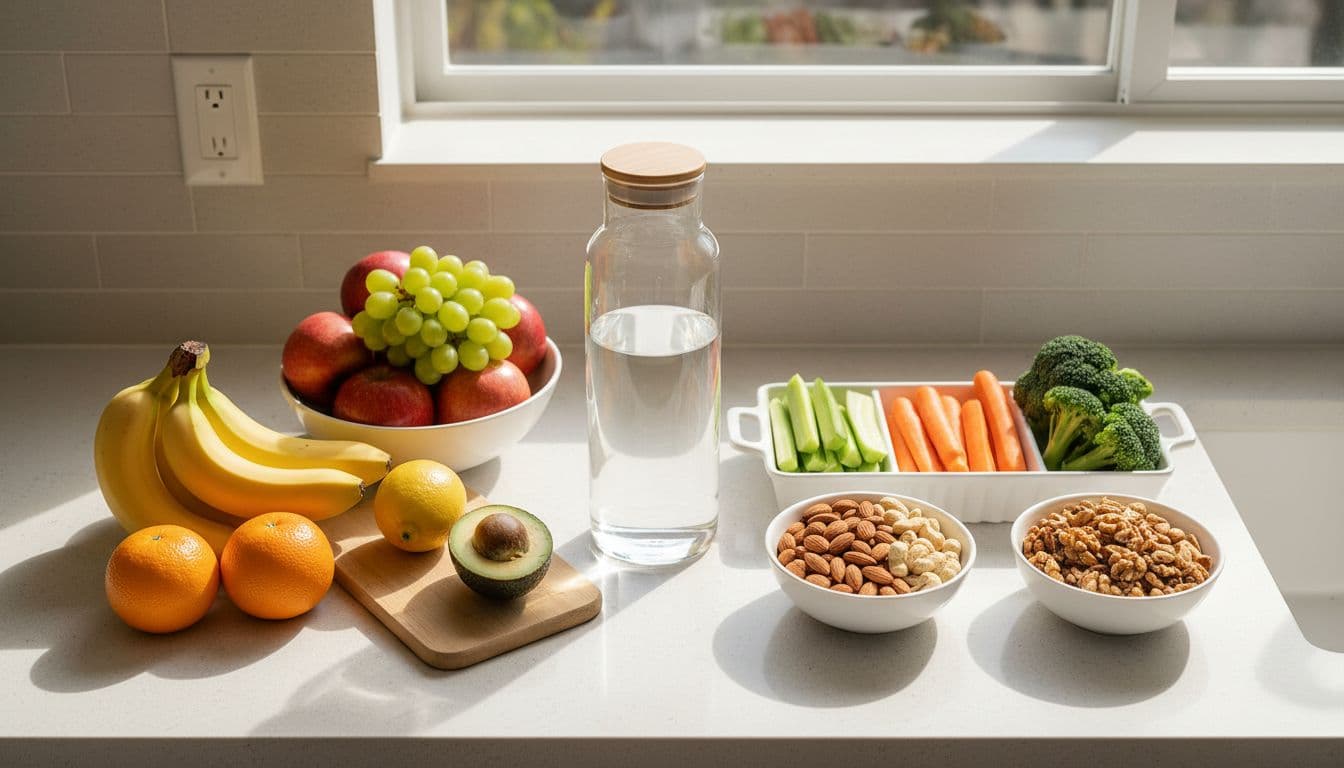
The fix is often simple. Put fruit where you can see it. Prep breakfast the night before. Charge the phone outside the bedroom. Keep the water bottle on the desk. Lay out the gym clothes before bed. In short, change the path, not just the person walking on it.
The emotional crash after one bad day is what makes many habits end
The first half of habit failure is often design. The second half is emotion. This is where boredom, slow rewards, and shame do their damage.
Because healthy routines usually pay off slowly, they ask for patience. Meanwhile, old habits hand out comfort right away. That gap can feel brutal.
New habits feel boring before they feel natural
A new workout can feel clumsy. Meal prep can feel repetitive. Going to bed earlier can feel strangely dull. Even drinking more water can feel like a chore before it becomes automatic.
That’s normal. Good habits often whisper before they sing. Their rewards arrive later, in steadier energy, better sleep, fewer crashes, and more trust in yourself.
Recent data shows many people quit before those rewards become obvious. No wonder. Old habits often offer instant relief, while good habits ask for repeats first. So boredom is not a sign to stop. It’s often a sign that the habit is entering real life.
Missing once turns into quitting when shame takes over
Here is the last trap, and it’s a sharp one. You miss one workout. You have one off-plan meal. You stay up too late on Thursday. Then the mind writes a harsh story: “See? I knew I wouldn’t keep this up.”
That story does more damage than the missed day.
One miss is a bump. Two or three missed days can happen too. What matters is the return. Shame says, “You blew it.” A better voice says, “That was one moment. Start again at the next chance.”
The habit doesn’t break because you slipped. It breaks when the slip becomes your identity.
Self-kindness is not lowering the bar. It’s what keeps you close enough to the habit to continue.
Conclusion
Good habits usually fail for seven plain reasons: low willpower, stress, goals that are too big, plans that are too vague, habits that don’t fit your identity, surroundings that push the wrong way, and the boredom or shame that hits after a slip. None of those problems mean you’re broken. They mean your system needs a better shape.
So pick one habit today and make it easier, clearer, and smaller. Put one cue in place. Lower the bar. Then repeat it long enough for ordinary life to hold it.


