



Most daily routines don’t fail because you’re lazy. They fail because they ask for too much, too soon.
A good healthy routine should fit your real life, not the version of you who wakes up early, never gets stressed, and always has extra time. When self-care feels heavy, you avoid it. When it feels simple, you repeat it.
That’s the goal here, a wellness routine that works as your healthy routine on busy days, low-energy days, and normal days.
Key Takeaways
- Start with just one small habit for morning, daytime, and evening to build a routine that fits busy, low-energy days without overwhelming you.
- Use habit stacking by linking new actions to what you already do, like drinking water after brushing teeth or a short walk after lunch, so they stick naturally.
- Keep it realistic: focus on basics like hydration, movement, balanced meals, and wind-down cues to support energy, sleep, and mental clarity.
- Track lightly with checkmarks, treat missed days as normal, and restart fast at the next cue to maintain consistency over perfection.
- The goal is a routine you repeat even on tired Tuesdays, stacking small wins into lasting health benefits.
Start small so your routine survives real life
Think of your routine like a backpack. If you stuff it with ten habits on day one, you won’t want to carry it for long. A simple setup works better because it simplifies habit formation and leaves room for life.
Start with one habit for each part of the day. That’s enough. You can always build later, but first you need proof that you can stay steady.
This simple table shows the difference in structuring your daily schedule:
| Time of day | Too much at once | Easy version to keep |
|---|---|---|
| Morning | Wake at 5, jog, journal, meditate, cook | Drink water, open curtains, stretching routine |
| Daytime | Full meal prep, exercise routine, no snacks | Eat one balanced lunch, walk for 5 minutes |
| Evening | Full reset, long skincare, no screens at all | Dim lights, prep tomorrow, go to bed at a set time |
The easy version may look small, but small habits stack fast. A glass of water becomes a cue to move. A short walk delivers physical activity that clears your head. An earlier bedtime makes the next morning easier.
The best routine is the one you can still do on a tired Tuesday.
It also helps to attach a habit to something you already do. This is called habit stacking, but it doesn’t need to sound fancy. After you brush your teeth, drink water. After lunch, take a short walk. After you put your phone down at night, read one page.
Build a Morning Routine That Feels Calm, Not Strict
Your morning doesn’t need a full makeover. It needs a few steady cues that help you wake up and feel a little more put together.
Start with the first ten minutes. That’s where a healthy routine often wins or loses. If your first move is chaos, the rest of the day can feel rushed. So make the opening simple.

A realistic morning routine might look like this:
- Drink a glass of water before coffee to stay hydrated.
- Let in daylight as soon as you can.
- Eat a protein-packed breakfast if you’re hungry.
- Incorporate a vital stretching routine for two to five minutes to wake up your body, even if it’s only light stretching.
You do not need all four every day. Pick one or two and repeat them until they feel normal.
If mornings are rushed, lower the bar even more. Fill a water bottle the night before. Put walking shoes by the door. Keep breakfast simple. Yogurt, eggs, fruit, or toast with peanut butter all work.
The point isn’t to create a perfect morning. The point is to give yourself a stable start.
Keep daytime habits realistic when work gets messy
Daytime is where good plans often fall apart. Meetings run long. Energy dips. Stress pushes you toward autopilot. That’s why daytime habits should be short, flexible, and easy to restart. These habits primarily benefit your physical health and mental health.
Focus on three basics, food, movement, and short breaks.
For food, aim for a balanced diet in your lunch instead of a perfect one. Try to include protein, fiber, and something fresh when you can. That might be rice and chicken, a sandwich with fruit, or leftovers with vegetables. Simple works.
For movement, think in small bursts of physical activity. A ten-minute walk is great, but so is walking during a call or taking the stairs once. Motion helps your body, but it also resets your mind.
Short breaks matter too, especially to manage stress. When your brain feels like a browser with twenty tabs open, a two-minute pause can help more than another coffee. Stand up. Practice mindfulness with slow breaths. Refill your water. Look away from the screen.
A healthy routine during the day should support your energy, not drain it. So choose habits that fit inside your life, not outside it.
Use an evening routine to make tomorrow easier
An evening routine does not need to be elaborate. Its job is simple: help you slow down and set up the next day.
That means your night routine should feel more like landing a plane than cramming for a test. You are not trying to fix the whole day before bed. You are trying to send your body a clear message, the day is ending. The primary goal of this wind-down period is getting enough sleep.

A simple evening routine could include dimming the lights, making tea, washing your face, setting out what you need for tomorrow, or connecting with loved ones to boost social wellbeing. Even five calm minutes can help.
Try to pick one bedtime anchor. For example, once you brush your teeth, limit screen time by keeping your phone off the bed. Or once the kitchen is closed, switch to low light and read a few pages.
This works because cues matter. When you repeat the same actions at night, your brain starts to link them with rest. Over time, these habits help you get enough sleep consistently, making sleep feel less random and marking the calm end to your daily routine.
Frequently Asked Questions
How do I start if my days feel too chaotic?
Pick one tiny habit per part of the day, like water in the morning, a 5-minute walk midday, and dimming lights at night. Attach it to something you already do, such as after brushing teeth or lunch. This keeps it simple enough to survive real life without adding pressure.
What if I miss days in my routine?
Missed days are normal—travel, stress, or life happens. Restart at the next natural cue, like the morning after, and cut the habit in half for a day or two if needed. Drop the guilt; focus on one small win to rebuild momentum fast.
Do I need to do every suggested habit every day?
No, pick one or two that feel doable and repeat them until they stick. You don’t need a perfect morning overhaul or strict evening reset—just steady cues that make tomorrow easier. Build from there as it becomes natural.
How do I track progress without getting obsessed?
Use a simple notebook or app for checkmarks next to habits done—no fancy charts needed. Look for weekly trends, not daily perfection. This light approach shows progress and keeps you motivated without turning it into a chore.
Can I customize this routine for my life?
Absolutely, make it fit your real schedule, like prepping water the night before if mornings rush or swapping a walk for stairs at work. The key is habits that feel light and repeatable, not a one-size-fits-all plan.
Track progress without obsession, then restart fast after missed days
Tracking can help, but only if it stays light. You are looking for patterns, not proof of worth.
A basic notebook, calendar, or notes app is enough. Put a small checkmark next to the habits you did. That’s it. No gold stars needed.
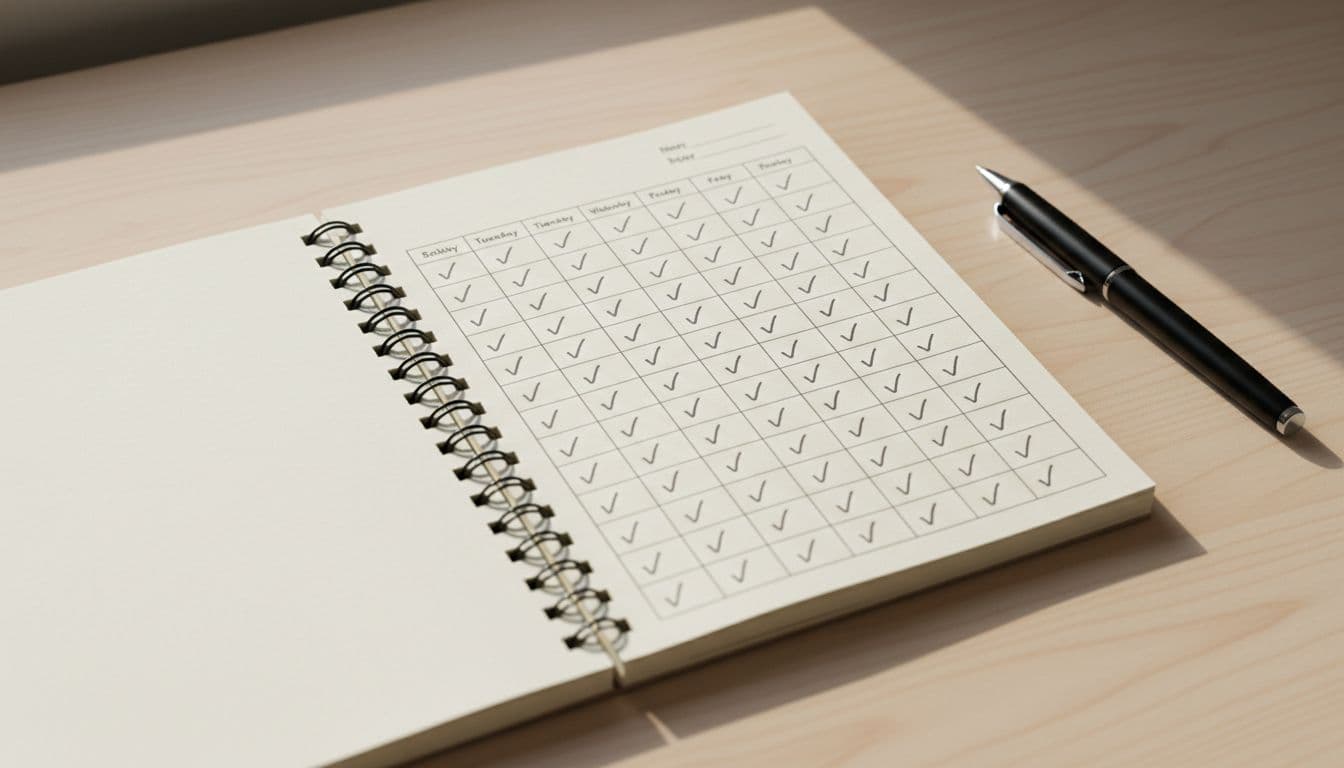
What matters most is the trend. If you followed your routine four days this week, that’s progress toward consistency. It does not become useless because you missed three.
Missed days are normal. Travel, stress, late nights, and family demands will interrupt you. Missing days is part of the consistency process, not a failure. That doesn’t mean the routine failed. It means you’re human.
When you fall off, use this reset plan:
- Start again at the next normal cue, not next Monday.
- Cut the habit in half for two or three days, like scaling back an exercise routine to just a short walk.
- Drop the guilt and use clear decision-making to focus on one win today.
A missed day is data, not a verdict.
That mindset keeps small slips from turning into long gaps, supporting long-term adherence. The faster you restart, the stronger the routine becomes.
A lasting healthy routine isn’t built with pressure. It’s built with repeatable habits that still fit when life gets noisy.
Pick one small habit for the morning, one for the day, and one for the evening. Then keep going long enough for those actions to feel ordinary.
What small tweak to your healthy routine would make your next day feel 10 percent better, not perfect, just better?


