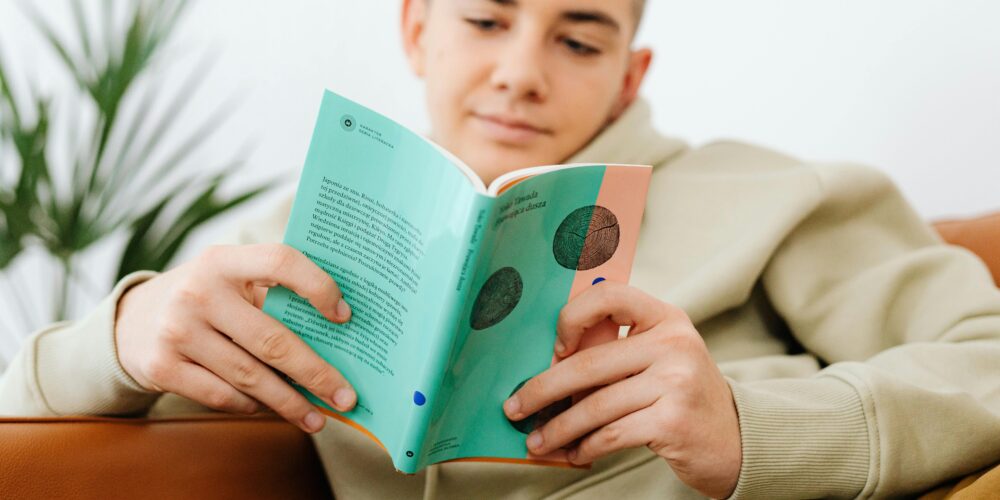



Real change is often quiet at first. It doesn’t always arrive with a fresh planner, a hard reset, or a loud promise. More often, it looks like a glass of water in the morning, a short walk after lunch, or a bedtime that stops drifting later and later.
That can feel almost too small to matter. Yet small habits work like drops filling a bucket. You barely notice them day to day, but over months and years, they shape your health, fitness, mood, focus, and sense of calm. This is the compound effect in plain terms, tiny actions repeated often enough to change the direction of your life.
The best part is simple. The most helpful habits are small enough to survive busy days. They don’t ask for perfect motivation. They ask for a place in your real life.
Start with habits so small they feel almost too easy
Big plans often fail for a boring reason: they ask too much at once. When a habit feels heavy, your brain treats it like a chore. Then even good intentions start to slip.
Tiny actions work better because they lower friction. They don’t demand a better version of you. They fit the version of you that exists on a tired Tuesday. That matters more than people think, because consistency grows from ease, not from drama.
When you repeat a small action, you build trust in yourself. You become someone who follows through. That identity is steady, and steady is powerful.
The best habit is the one you can still do when life gets messy.
Make the first step laughably simple
Start smaller than your ego wants. Put on your walking shoes. Do one stretch. Fill your water bottle. Write one line in a journal. If that feels almost silly, you’re close to the right size.
The early stage of a habit is not about volume. It’s about becoming the kind of person who begins. Once you start, doing a little more often feels natural. Still, the win is the start itself.
Think of a campfire. One match looks weak, but it’s how the fire begins. In the same way, a one-minute habit can light a longer pattern.
Tie new habits to things you already do
A habit is easier to remember when it rides on the back of another one. This is habit stacking in everyday language. You attach the new action to something you already do without thinking.
Stretch after brushing your teeth. Take vitamins with breakfast. Do a breathing exercise after parking the car. Drink water after you make coffee. The old habit becomes a cue for the new one.
This method works because memory loves patterns. Instead of asking your brain to remember one more task, you give it a clear home.
Soon, the actions start to link together like beads on a string. One leads to the next, and your day flows with less effort.
Move your body in small ways that add up
You don’t need a perfect workout routine to feel better in your body. Small movement habits can lift energy, support heart health, ease stress, and help your mood. Current wellness guidance still points to simple movement, especially walking and short activity breaks, as one of the most useful things you can do over time.
That makes sense. The body likes regular motion. It doesn’t need all movement to happen in one intense block.
Walk every day, even if it’s just one short loop
A daily walk is one of the lowest-effort habits with the biggest return. It supports heart health, helps lower stress, lifts mood, and often improves sleep. Recent guidance also points to strong benefits in the range of roughly 5,000 to 8,000 steps a day, with about 7,000 bringing solid long-term gains for many adults. Still, don’t get trapped by step-count math. A short, brisk walk still counts.
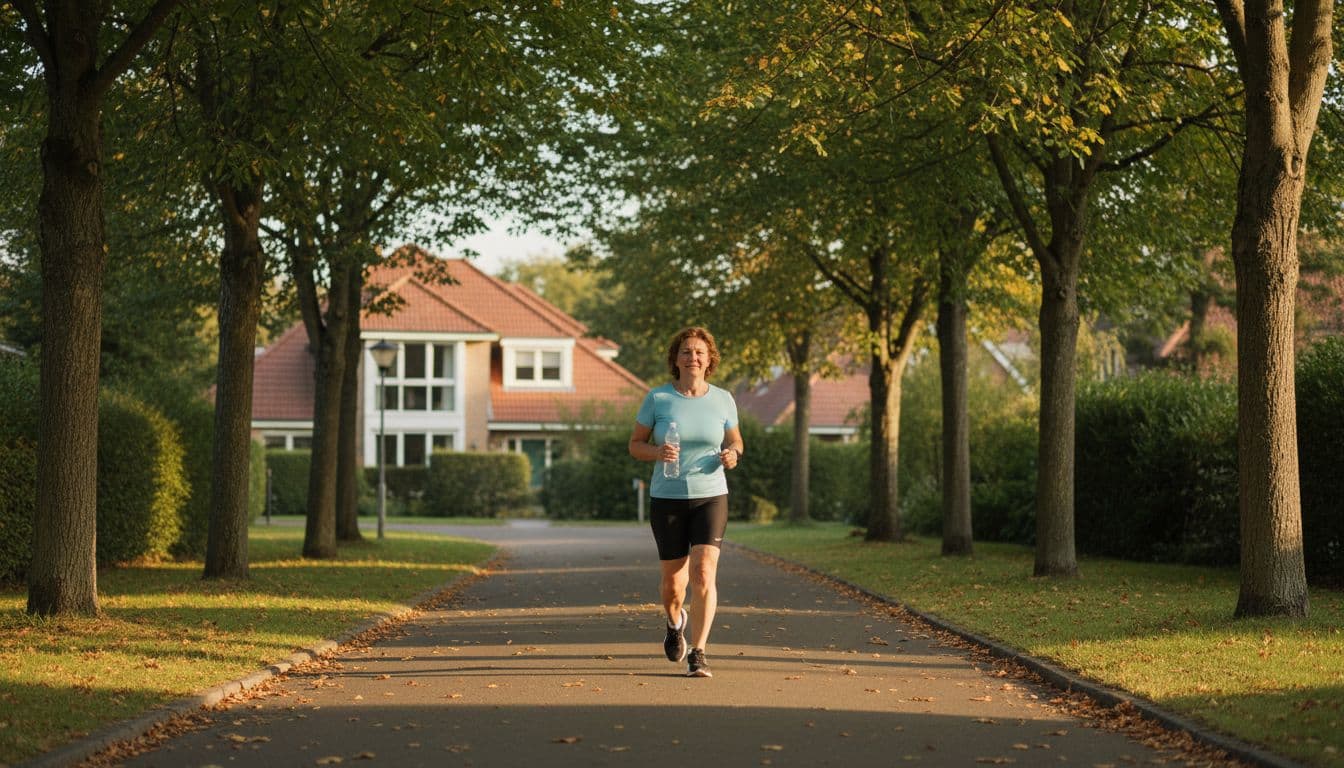
What matters most is the repeat. One loop around the block. Ten minutes before dinner. A faster pace for two minutes, then an easy pace after that. Done often, these small walks become a quiet support beam for your day.
They also clear mental fog. Walking can feel like opening a window in a stuffy room. Suddenly, things move again.
Break up sitting with quick movement snacks
Long stretches of sitting can leave you stiff, sluggish, and mentally flat. Short movement breaks help circulation, loosen tight muscles, and sharpen focus. Even a quick walk can help if your sleep was short the night before.
These breaks don’t need gym clothes. Walk during a phone call. Take the stairs once. Do a few chair squats. Pace the room for five minutes. If you work at a desk, stand up at the end of each hour and move a little.
Those tiny bursts act like commas in the day. They interrupt the drag and give your body a reset. Over time, they can help you feel less trapped in your chair and more awake in your own skin.
Build quiet food and water habits that support your whole day
Food habits don’t need to be strict to be helpful. In fact, the habits that last are usually calm and boring in the best way. They support steady energy, better digestion, and a more stable mood without turning every meal into a project.
The goal isn’t food perfection. The goal is to make the better choice easier and more normal.
Drink water before your body has to beg for it
Hydration is easy to ignore because thirst often shows up late. Yet water supports focus, digestion, energy, mood, and exercise recovery. It is one of the simplest health habits, and it helps more than its plainness suggests.

Simple cues make this easier. Drink a glass after waking up. Carry a bottle you actually like using. Pair water with meals, workouts, or your commute. You don’t need a perfect ounce target to build the habit. You just need a few reliable moments during the day.
That small shift can help you feel more steady by midmorning, when many people mistake thirst for fatigue.
Make one better food choice easier than the old one
Healthy eating often improves through setup, not willpower. Put fruit where you can see it. Keep cut vegetables at eye level. Plan one simple lunch you can repeat. Stock foods that make balanced meals easier on busy days.
Whole foods most days can support heart health and more stable energy. That might mean oats instead of a pastry, yogurt and berries instead of a sugary bar, or a sandwich with extra greens instead of a bag of chips as lunch. Small swaps add up.
This isn’t about shame. It’s about direction. If you reduce sugary drinks and highly processed snacks more often, your body usually notices. You may feel fewer crashes, better digestion, and less of that late-day haze that makes everything harder.
Protect your mind with habits that lower stress and sharpen focus
Better days don’t always come from a perfect morning routine. Often, they come from small pauses that keep stress from running the whole show. Mental wellbeing grows in quiet moments, not only in major breakthroughs.
That matters because the mind gets worn down in small ways too. A little tension here, a little rush there, and by evening you feel like a frayed rope. Small reset habits help you gather yourself before the day pulls you apart.
Take two quiet minutes to breathe and reset
A short breathing break can calm the body faster than most people expect. Slow, deep breaths can lower stress, steady your thoughts, and help you respond with less edge. You don’t need incense, a timer, or twenty empty minutes.

Try this once or twice a day. Inhale slowly through your nose, hold for a beat, then exhale longer than you inhaled. Do that for two minutes after a tense meeting, before dinner, or before bed.
It’s a tiny habit, but it changes the tone of the next hour. That alone makes it worth keeping.
Write down one good thing before the day slips away
Gratitude doesn’t need a leather journal and a perfect evening lamp. One sentence is enough. Write down one good thing that happened today, or one thing you handled better than you usually do.
This habit gently trains your attention. Instead of ending the day under a pile of unfinished tasks, you notice what is still working. A good cup of coffee. A kind text. A walk in fresh air. A moment when you stayed calm.
That isn’t denial. It’s balance. Over time, this brief reflection can soften stress and improve your outlook, because your mind gets better at spotting small wins.
Create evening habits that help tomorrow feel lighter
Evenings shape more than nights. They shape mornings too. A calm close to the day can improve sleep, lower stress, and give tomorrow less friction. That means better energy, more patience, and fewer bad choices made from pure fatigue.
You don’t need a long wind-down ritual. A few small actions can do a lot.
Go to bed at a similar time more often than not
A steady sleep schedule helps sleep quality, mood, focus, and energy. Current guidance still supports getting at least seven hours most nights, with regular timing helping your body clock stay on track.
Perfection isn’t required. Real life will shift. Still, if you go to bed around the same time more often than not, your body learns the rhythm.
Late-night screen time can make that harder. If possible, dim the lights, put the phone down earlier, or move it across the room. Even a modest change can help your brain get the message that the day is ending.
Do a five-minute reset before you stop for the night
Five minutes of prep can save you fifteen stressed minutes in the morning. Lay out workout clothes. Tidy one surface. Write tomorrow’s top task on a sticky note. Plug your phone in away from the bed.
These are small acts, but they reduce decision fatigue. Morning then feels less like a scramble and more like a path that has already been cleared.
That is the hidden gift of tiny habits. They don’t just help in the moment. They make the next moment easier too.
Small changes rarely look dramatic at first, but they change the feel of a life. A short walk, a glass of water, a steady bedtime, or one calm breath can become part of who you are. Pick one or two habits that feel easy enough to start today, then let repetition do the heavy lifting. Over time, those quiet choices build better health, a steadier mood, and a calmer life.


