



You can be home and still feel like you’re on the clock. When work stress at home starts shaping your evenings, it rarely looks dramatic.
It often looks like poor sleep, short patience, and a mind that won’t clock out. That makes it easy to dismiss, especially if you’ve been pushing through for a while.
These seven signs can help you spot the pattern early, so you can interrupt it before home starts feeling like an extension of work.
1. You can’t stop replaying the workday
If you sit on the couch but keep mentally answering emails, your workday isn’t over. At home, this can look like checking Slack during dinner, replaying a meeting in the shower, or drifting off mid-conversation.
This usually happens when your brain has no clear stopping point. Give it one. Spend five minutes writing tomorrow’s top task, close every work tab, and put work apps on Do Not Disturb at a set time. A simple shutdown routine helps your mind stop carrying loose ends into the evening.
2. Small things at home set you off
Irritability is often stress with nowhere to go. A slow internet connection, dishes in the sink, or normal kid noise can feel much bigger than it is after a tense day.
That doesn’t mean you’re failing at home. It often means your system is overloaded. When you walk in, tell the people around you that you need 10 to 15 quiet minutes before talking. A short walk, a shower, or even changing clothes can lower the heat before it spills onto someone else.
3. Sleep turns into a second shift
Poor sleep is one of the clearest signs of work stress at home. You may feel tired all evening, then lie awake replaying a mistake, a deadline, or tomorrow’s to-do list.
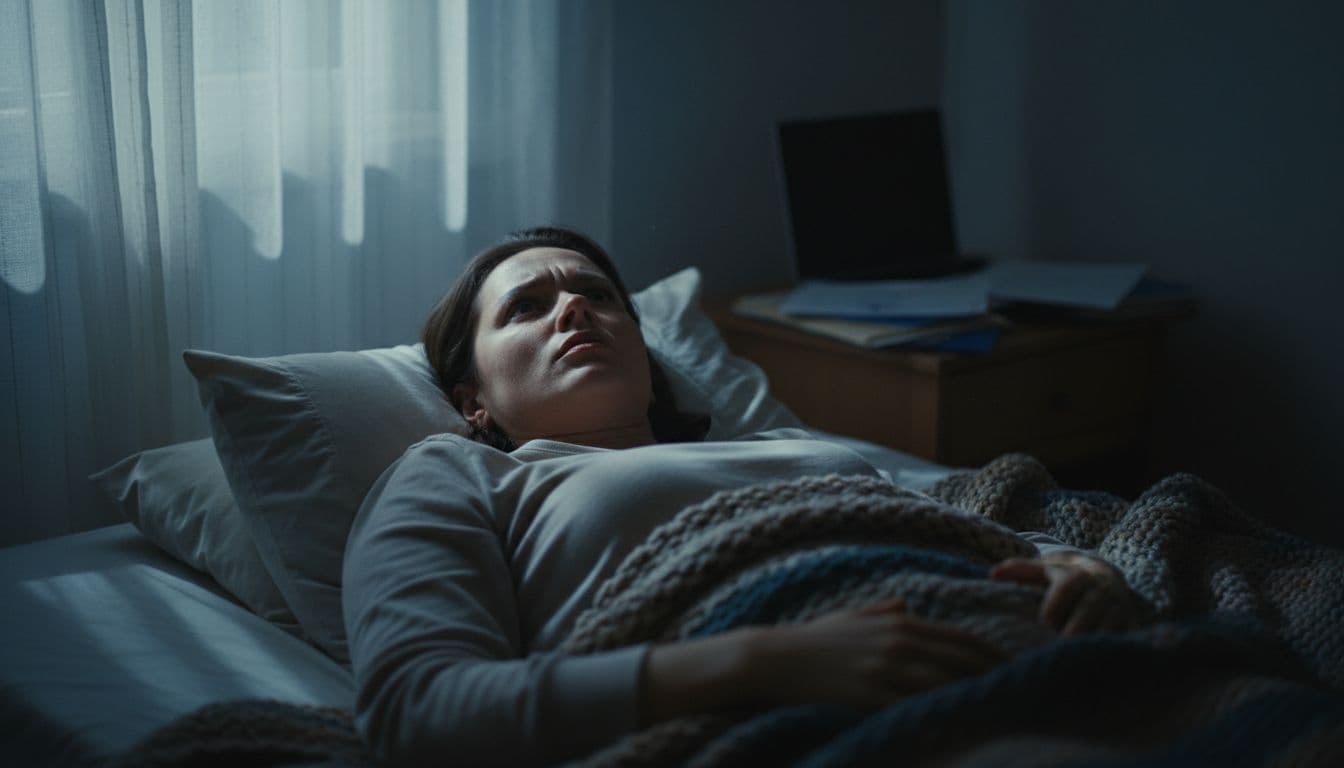
A stressed brain treats bedtime like planning time. If this keeps happening, it may help to review common signs of job burnout. Also, keep work devices out of the bedroom, dim lights earlier, and do a quick brain dump on paper before bed. Sleep improves when your mind gets a real handoff from work to rest.
4. Your body stays tense long after work ends
Sometimes the message comes through your body first. You get headaches after logging off, hold tension in your jaw, or notice your stomach feels off at dinner.
Those are common work-related stress symptoms, and they don’t always disappear when the meeting ends. Start small. Drop your shoulders, drink water, eat something steady, and take three slow breaths before you start the evening. If physical symptoms keep showing up, or they get worse, talk with a doctor or therapist instead of trying to push through.
5. You go quiet with the people you care about
You might love your people and still have nothing left to give by 7 p.m. At home, that can look like blank stares at dinner, short answers, or canceling plans because talking feels like work.
Stress shrinks attention. As Psychology Today notes about job stress and relationships, work pressure can change how you show up with the people closest to you. Try naming what’s happening without blame. “I want to hear you, but I need 10 minutes to switch gears” is a lot kinder, and more honest, than disappearing into your phone.
6. Your workday keeps leaking into the evening
When your workday has no firm edge, home never gets your full attention. This is common for remote and hybrid workers, but managers and office staff can fall into it too.

Photo by ANTONI SHKRABA production
You answer one more message after dinner, reopen the laptop on the couch, and feel the Sunday dread arrive early. A hard stop time helps, especially if you pair it with a physical cue. Shut the laptop, leave the workspace, and do a short walk around the block. Cleveland Clinic shares more ideas on how to handle work stress and burnout.
7. The habits that help you recover start disappearing
One of the sneakiest signs is losing the habits that usually reset you. You skip your walk, stop cooking, or spend the whole night scrolling because even simple fun feels like effort.
Recovery works best when it’s easy to start. Build a tiny decompression routine you can do on hard days, not only good days. Change clothes, wash your face, step outside for 10 minutes, or play one song before you touch chores. Small routines tell your brain that work is over, even if the day felt messy.
When several of these signs show up together, the message is simple: your job is still taking space after hours. The goal is recovery, not a perfect evening.
Small boundaries, honest communication, and a short wind-down routine can change more than you think. If work stress at home keeps hurting your sleep, mood, or relationships for weeks, talk with a mental health professional or your doctor. Support is useful long before things hit a breaking point.


